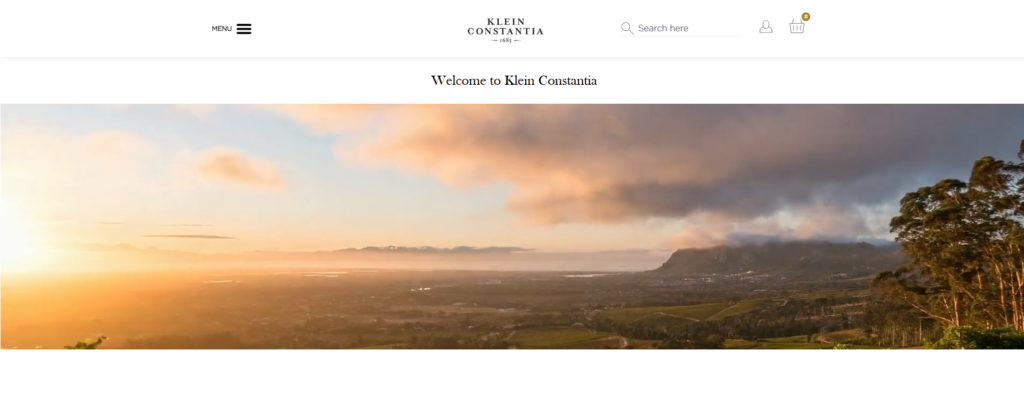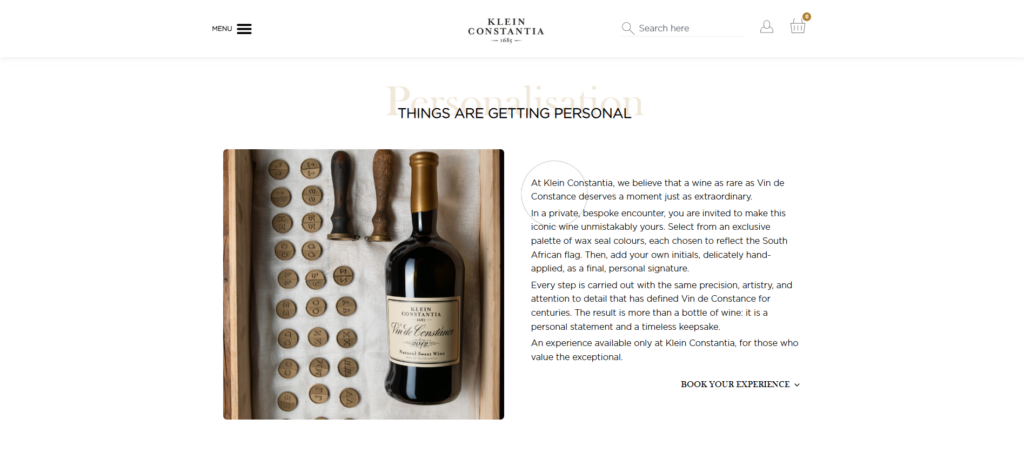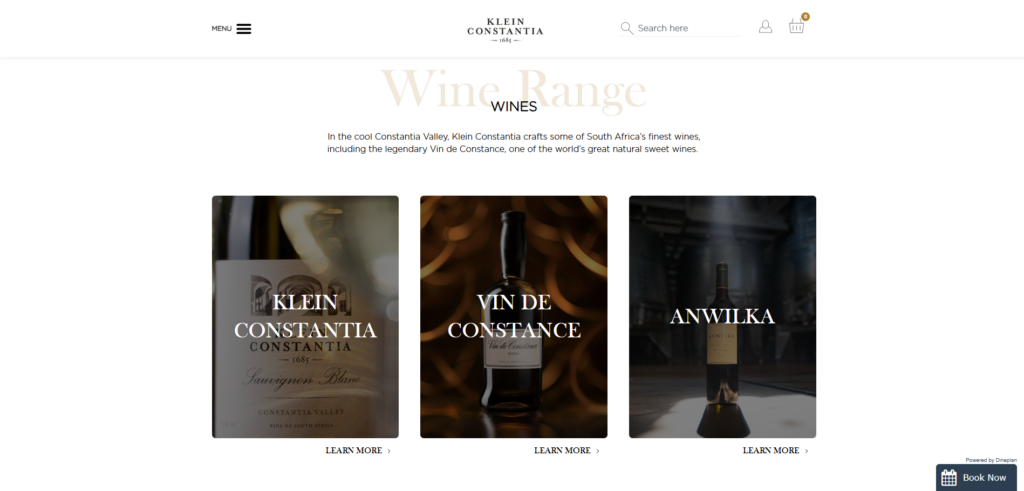
Klein Constantia required a full website redevelopment to modernise its online presence and strengthen its e-commerce capability.
A key requirement was the move from Commerce7 to WooCommerce, with integration into the estate’s InFlow inventory management system. The new website needed to support product imports through an API, simplify product and stock management, and create a stronger online shopping experience for customers.
The website also needed to be visually aligned with Klein Constantia’s corporate identity, easier to maintain, and flexible enough to support future growth.
The main objectives were to:
The existing website no longer supported the level of experience expected from a premium wine estate.
Navigation was difficult, the design felt dated, and the product journey was not as intuitive as it needed to be. This created unnecessary barriers for customers wanting to browse wines, access product information, or complete a purchase online.
There were also operational limitations. The existing Commerce7 setup did not provide the level of integration needed with Klein Constantia’s new inventory management system, creating inefficiencies around stock and order management.
The strategy was to rebuild the site on WordPress, using WooCommerce as the e-commerce storefront. This gave Klein Constantia a more flexible platform while allowing the website to be structured around both user experience and operational needs.
The sitemap was refined to improve the customer journey, while homepage and product page mock-ups were created to align the design direction with the estate’s brand identity. The technical approach also included integrations for PayFast, Mailchimp and Dineplan, with Cloudflare and Wordfence recommended to support performance and security.
We delivered a full redevelopment plan that combined technical development, e-commerce functionality, and user-focused design.
The website was rebuilt on WordPress with WooCommerce, supported by API-driven product imports and integration with InFlow. This allowed product, inventory, and sales data to work together more effectively, reducing manual processes and improving accuracy across the online store.
Our design team created modern product page layouts that made it easier for customers to explore wines in more detail. This included space for tasting notes, downloadable PDFs, and upselling features to support stronger conversion opportunities.
Navigation was simplified to help users move through the site more easily, whether they were browsing products, looking for estate information, booking a reservation, or exploring wine experiences.
Our development team also supported plugin setup, caching, SEO metadata migration, and compliance elements such as GDPR and POPI pop-ups. The project was managed through a clear Project Charter, with defined milestones and approval points throughout the process.
The redevelopment gave Klein Constantia a modern, secure, and scalable e-commerce platform that better reflects the quality of the estate.
Customers can now browse wines more easily, access richer product information, and complete purchases through a more intuitive checkout process. The improved product page structure also creates stronger opportunities for upselling and product discovery.
From an operational perspective, the InFlow integration supports more efficient stock and order management, reducing the need for manual updates and improving accuracy across channels.
The final website gives Klein Constantia a stronger digital foundation for online wine sales, customer engagement, and future growth, while presenting the estate in a way that is more aligned with its premium brand reputation.