 Skip to content

The pace of digital transformation continues to accelerate, reshaping how people work, collaborate, and create value. Artificial intelligence, automation, and data-driven systems are no longer emerging trends. They are redefining roles across every industry. While some tasks are becoming automated, new opportunities are opening up for professionals who are willing to evolve.
In 2026, becoming an irreplaceable employee is not about competing with technology. It is about learning how to work alongside it. Employees who combine digital capability with strategic thinking, adaptability, and strong human skills will remain essential to their organisations. For employers, investing in workforce development strengthens employee retention, reduces skills gaps, and builds teams that are ready for long-term growth.
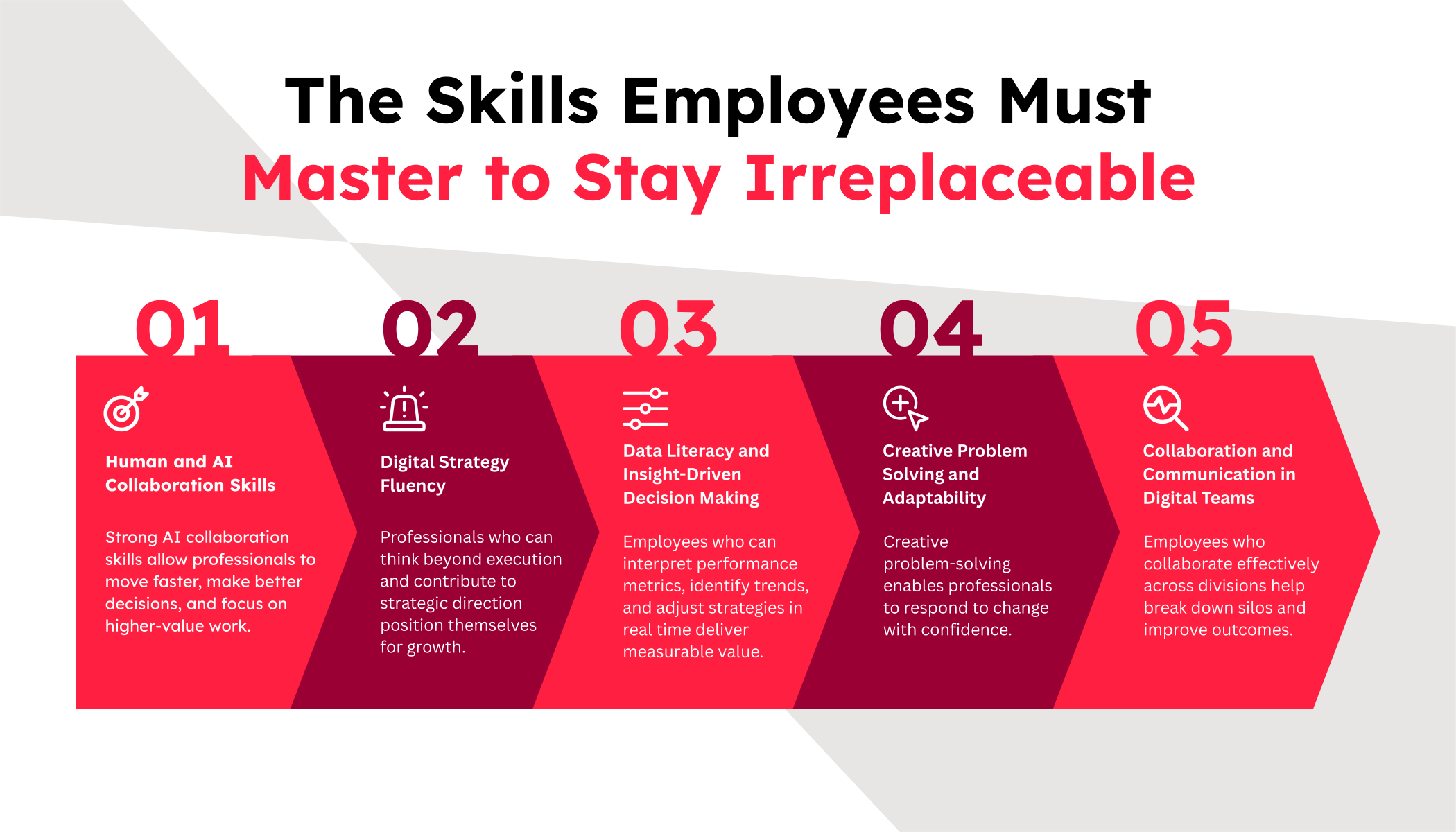
The Skills Employees Must Master to Stay Irreplaceable
To succeed in the future workplace, professionals need a balanced mix of technical, strategic, and human-centric skills. These capabilities do not replace one another. They work together to create impact.
1. Human and AI Collaboration Skills
AI is transforming how work gets done, but it still relies on human direction and judgment. Employees who know how to collaborate with AI tools, interpret insights, and apply them in real-world contexts will stand out.
Strong AI collaboration skills allow professionals to move faster, make better decisions, and focus on higher-value work. For example, a marketer who uses AI to analyse audience behaviour while applying creativity and strategy to campaigns becomes far more valuable than someone who relies on automation alone.
2. Digital Strategy Fluency
Irreplaceable employees understand how their work connects to broader business goals. Digital strategy fluency means knowing how technology impacts customer experience, revenue, efficiency, and brand perception.
This skill is essential for emerging leaders. Professionals who can think beyond execution and contribute to strategic direction position themselves for growth. Insights like these are reinforced in Ruby Digital’s guide on leadership lessons for aspiring digital marketers, which highlights how strategic thinking accelerates career progression.
3. Data Literacy and Insight-Driven Decision Making
Data literacy is no longer reserved for analysts. In the future workplace, every role benefits from the ability to understand and act on data. Employees who can interpret performance metrics, identify trends, and adjust strategies in real time deliver measurable value.
Whether it is improving customer engagement, optimising workflows, or refining content performance, data-literate employees influence outcomes and lead smarter decisions.
4. Creative Problem Solving and Adaptability
Technology evolves quickly, and static skill sets lose relevance fast. The most resilient employees are those who adapt, experiment, and solve problems creatively.
Creative problem-solving enables professionals to respond to change with confidence. It also supports innovation, which is a key driver of long-term business success. When employees are encouraged to learn continuously, companies benefit from stronger performance and improved retention. This connection is explored further in our blog Why Continuous Employee Growth Drives Company Success.
5. Collaboration and Communication in Digital Teams
Remote and hybrid work environments are now standard. Strong communication and collaboration skills remain essential, especially across digital platforms.
Employees who collaborate effectively across departments help break down silos and improve outcomes. High-performing teams rely on trust, shared knowledge, and clear communication. This is why collaboration and teamwork across divisions continue to be critical skills for the future workplace.
The Role of Employee Retention in a Digital Workplace
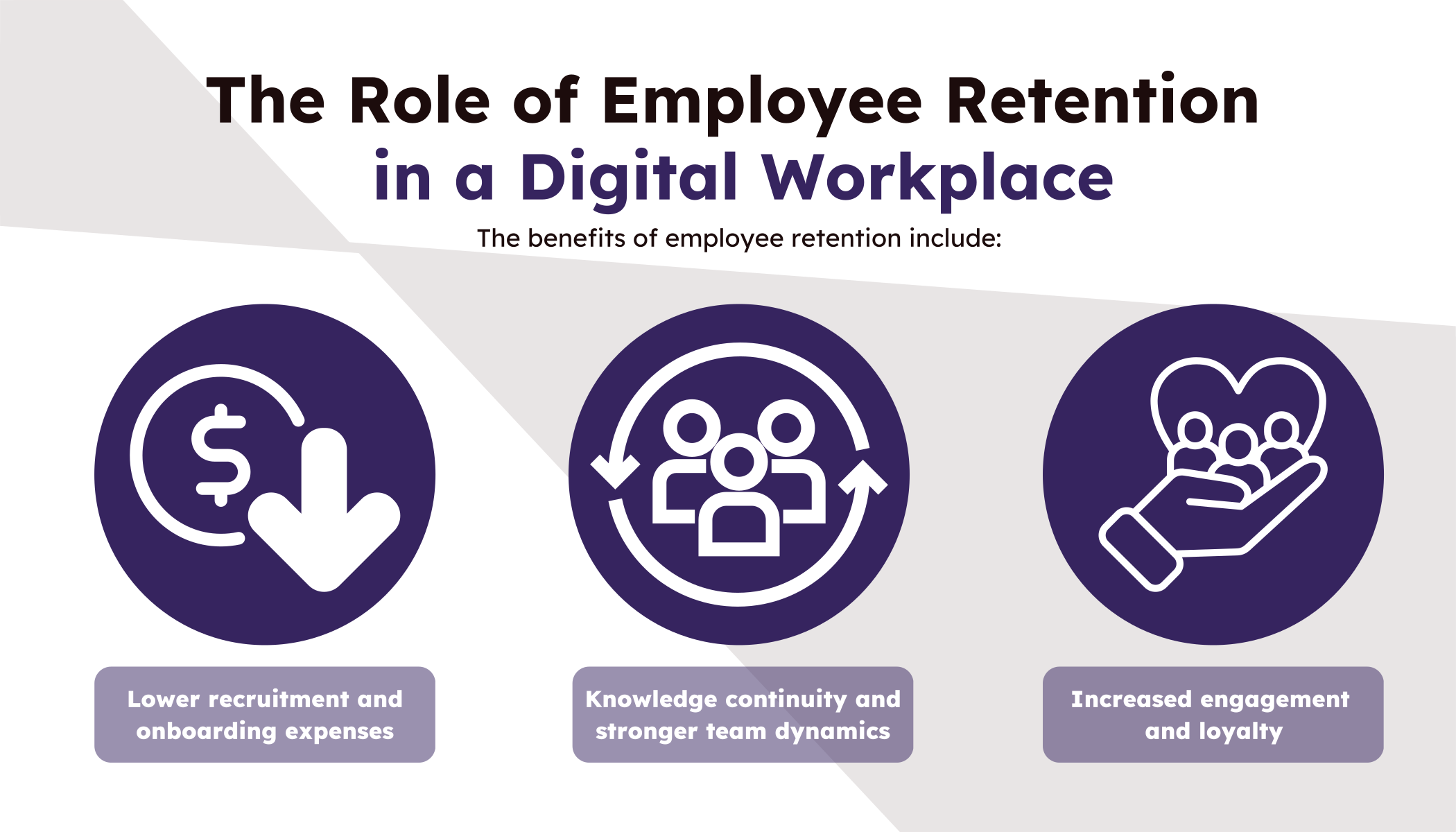
For businesses, upskilling employees isn’t just about productivity; it’s about retention. Skilled employees drive innovation, strengthen company culture, and reduce turnover costs. The benefits of employee retention include:
- Lower recruitment and onboarding expenses
- Knowledge continuity and stronger team dynamics
- Increased engagement and loyalty
Research shows that companies that invest in learning programmes see significant increases in retention rates. When employees feel valued and supported, they stay, and they perform better.
How Ruby Digital Prepares Its Team for 2026
At Ruby Digital, workforce development is a core business priority. The focus is not only on technical capability but on building well-rounded professionals who can think critically, lead, collaborate, and adapt.
Our approach includes:
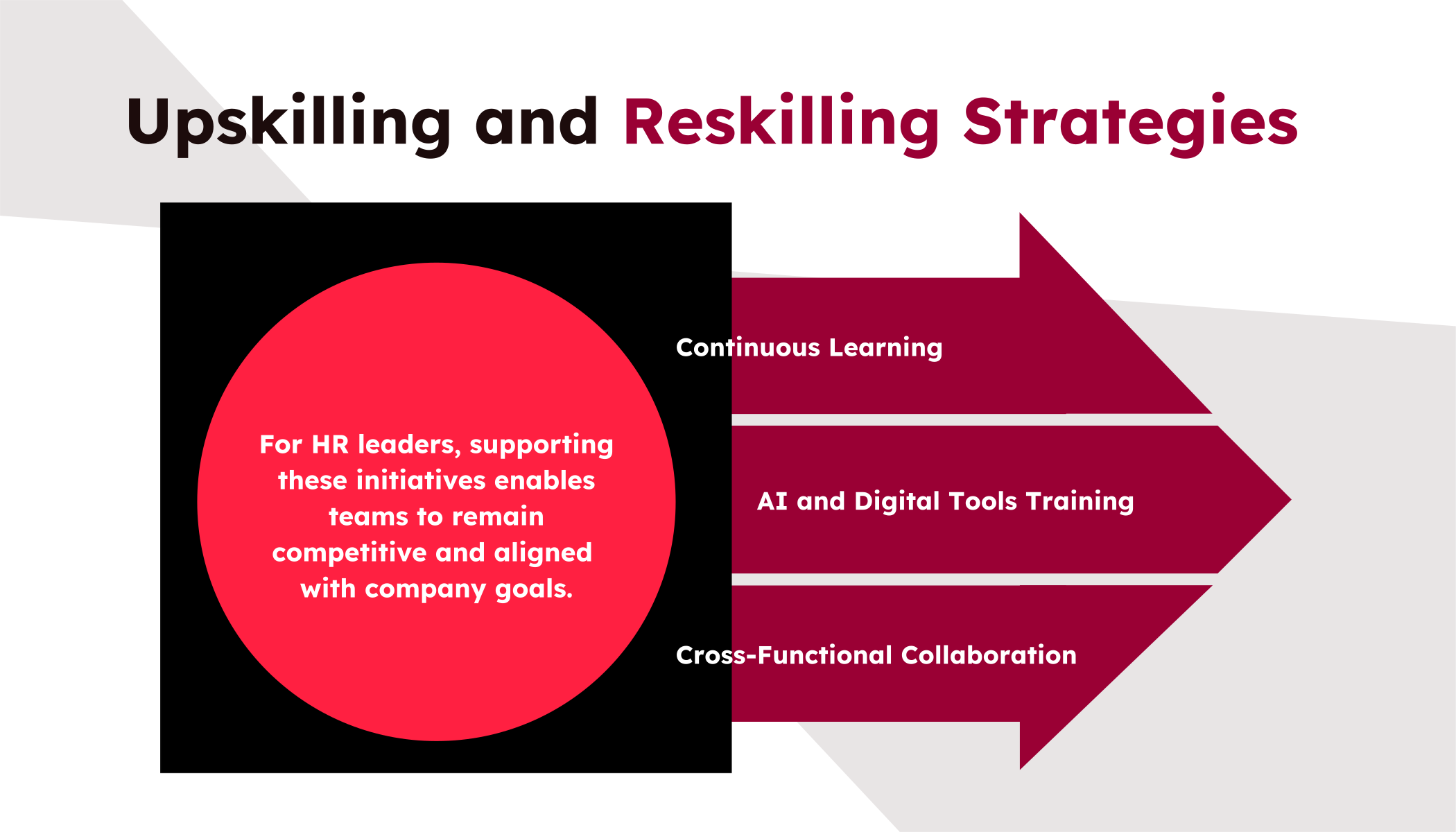
- Continuous Learning: Ongoing training programmes to keep skills sharp
- AI and Digital Tools Training: Practical sessions to integrate technology into workflows
- Cross-Functional Collaboration: Encouraging knowledge sharing across teams
These initiatives make our employees feel valued and motivated, boosting retention while ensuring they remain future-ready.
Upskilling and Reskilling Strategies
Employees who want to remain irreplaceable must take ownership of their development. Practical steps include:
- Enrolling in Online Courses & Certifications: Stay updated on emerging tools and trends
- Participating in Mentorship & Peer Learning: Gain insights from experienced professionals
- Experimentation: Test new technologies and approaches in real projects
For HR leaders, supporting these initiatives ensures teams remain competitive and aligned with company goals.
Measuring the Impact of Digital Skills Development
To ensure digital skills development delivers value, businesses should track clear metrics. These include:
- Employee Engagement
- Retention Rates
- Productivity Improvements
- Innovation Contributions
Data-driven insights help optimise learning programmes and demonstrate the ROI of workforce development.
In 2026, future workplace skills will define both career success and organisational resilience. Employees who build AI collaboration skills, data literacy, adaptability, and strong communication capabilities will remain irreplaceable. For businesses, investing in these skills strengthens teams and amplifies the benefits of employee retention.