 Skip to content

Asynchronous work has become one of the most powerful shifts in how teams communicate, collaborate, and deliver results in today’s digital-first workplace.
Instead of relying on constant real-time conversations, businesses are adopting asynchronous communication to support flexible schedules, deeper focus, and more intentional execution.
The result is clear – teams are reducing meeting fatigue, improving output, and winning without meetings.
This article explores how asynchronous collaboration creates both productivity and freedom, and why forward-thinking organisations are making async work their default.
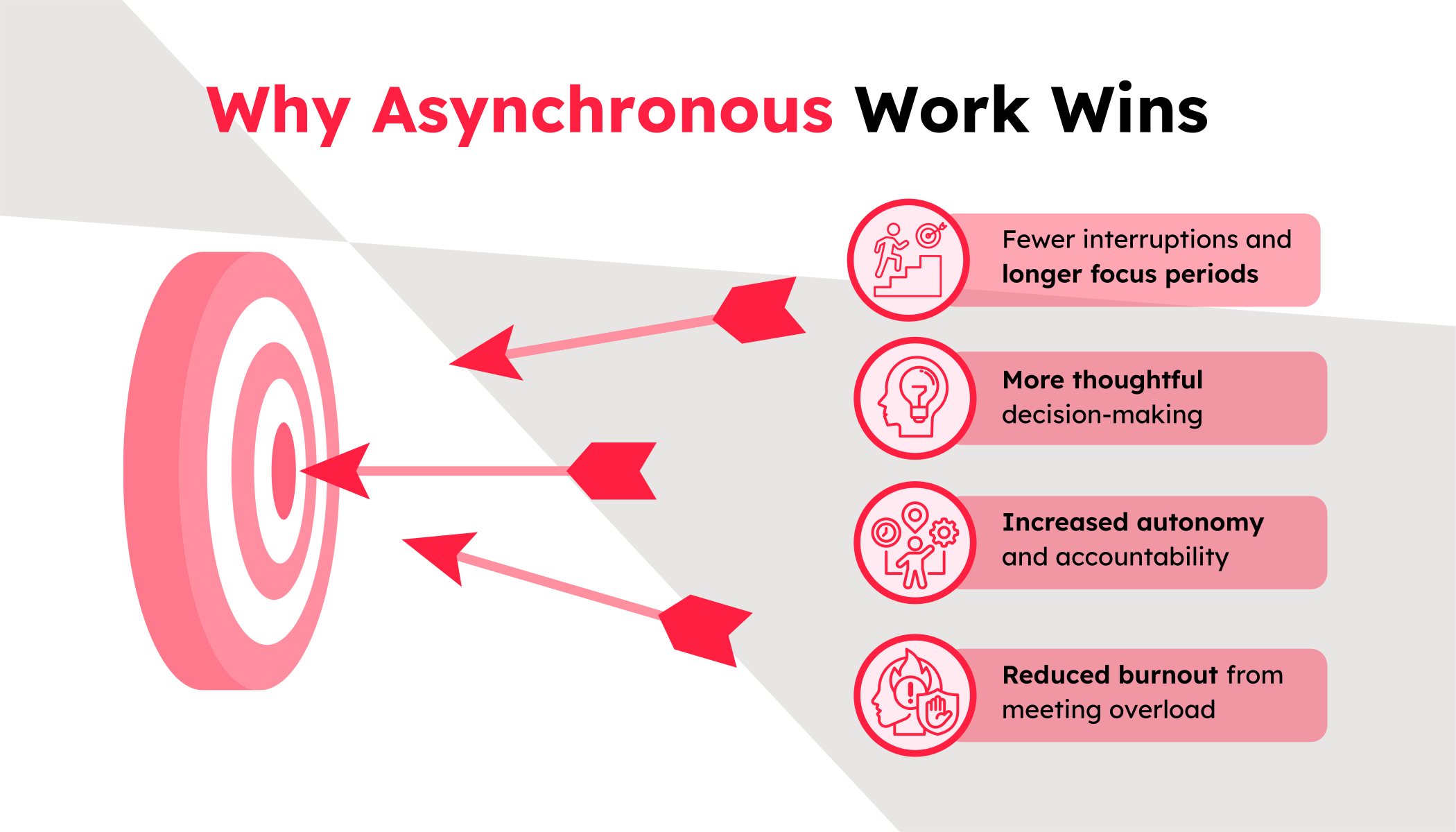
Why Asynchronous Work Wins
Asynchronous work succeeds because it gives people the space to think, plan, and execute without constant interruption.
When meetings no longer fragment the day, teams can focus on meaningful work. This shift leads directly to stronger async work productivity and higher-quality outcomes.
Some of the key advantages of asynchronous communication include:
- Fewer interruptions and longer focus periods
- More thoughtful decision-making
- Increased autonomy and accountability
- Reduced burnout from meeting overload
Across industries, teams adopting async-first practices are delivering faster, more strategic work. They are not just working differently. They are working better.
What Is Asynchronous Work?
Asynchronous work is a model in which communication and collaboration occur without the expectation of an immediate response.
This includes forms of asynchronous online communication such as:
- Shared documents and comment threads
- Project management notifications
- Recorded video updates
- Task boards and ticketing systems
This differs from synchronous work, meetings, calls, and real‑time chat, in which everyone must be present at the same time.
As teams become increasingly distributed and more employees work flexibly, asynchronous collaboration has become not just relevant but essential for maintaining productivity and consistency across different time zones and schedules.
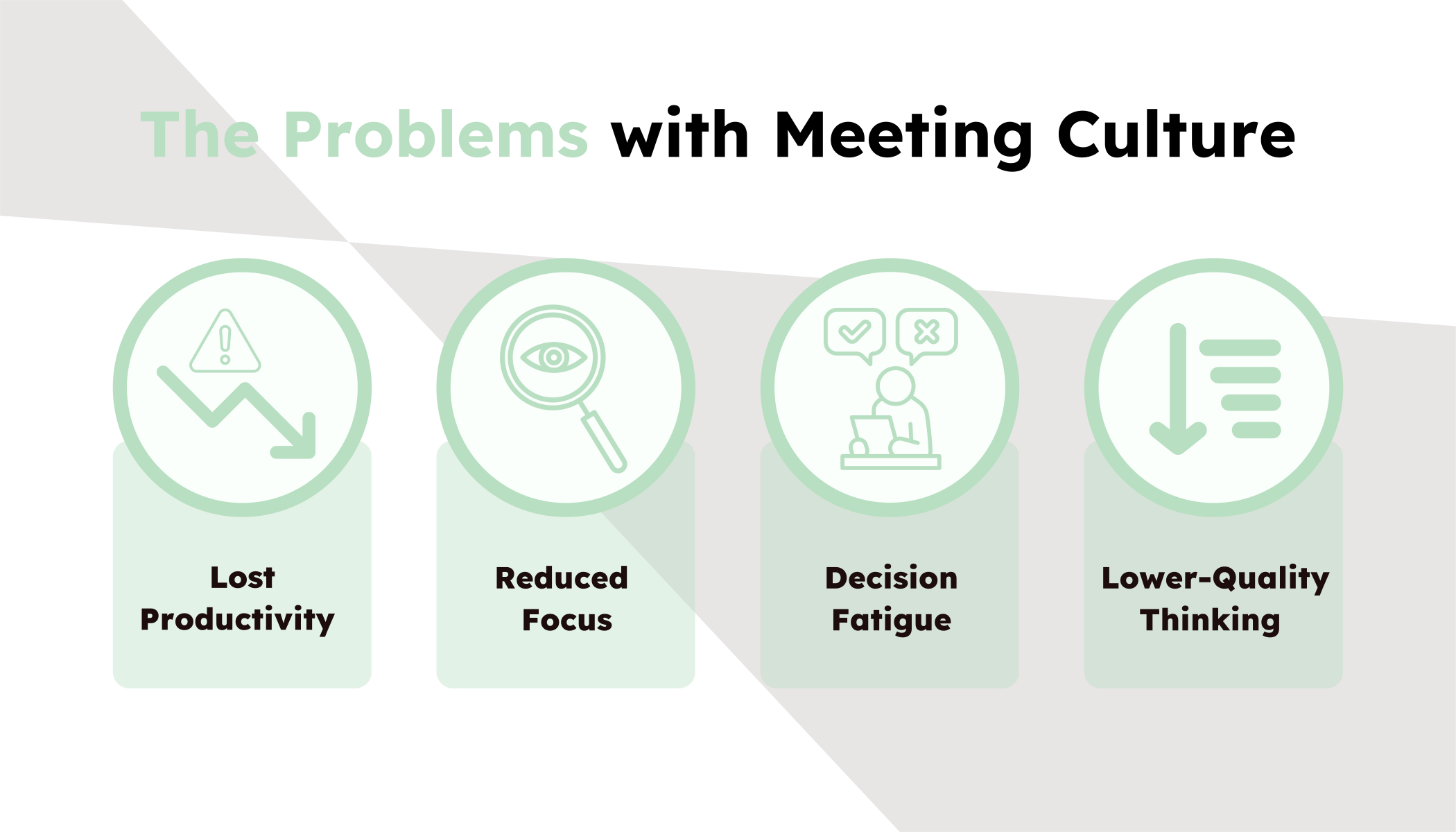
The Problems with Meeting Culture
Many organisations still rely heavily on meetings. Daily stand-ups, status updates, and ad-hoc calls consume hours that should be spent on execution.
Excessive synchronous communication often leads to:
- Lost productivity
- Reduced focus
- Decision fatigue
- Lower-quality thinking
Constant interruptions make it difficult to maintain momentum or engage in deep, strategic work.
Disclaimer: While asynchronous work brings significant benefits, it only works when communication is clear and thoughtful. Async processes rely on well‑crafted messages, documentation, accountability, and strong organisational skills. Without these, async environments can become confusing, slow, and frustrating. When done right, async enables teams to collaborate more efficiently and effectively.
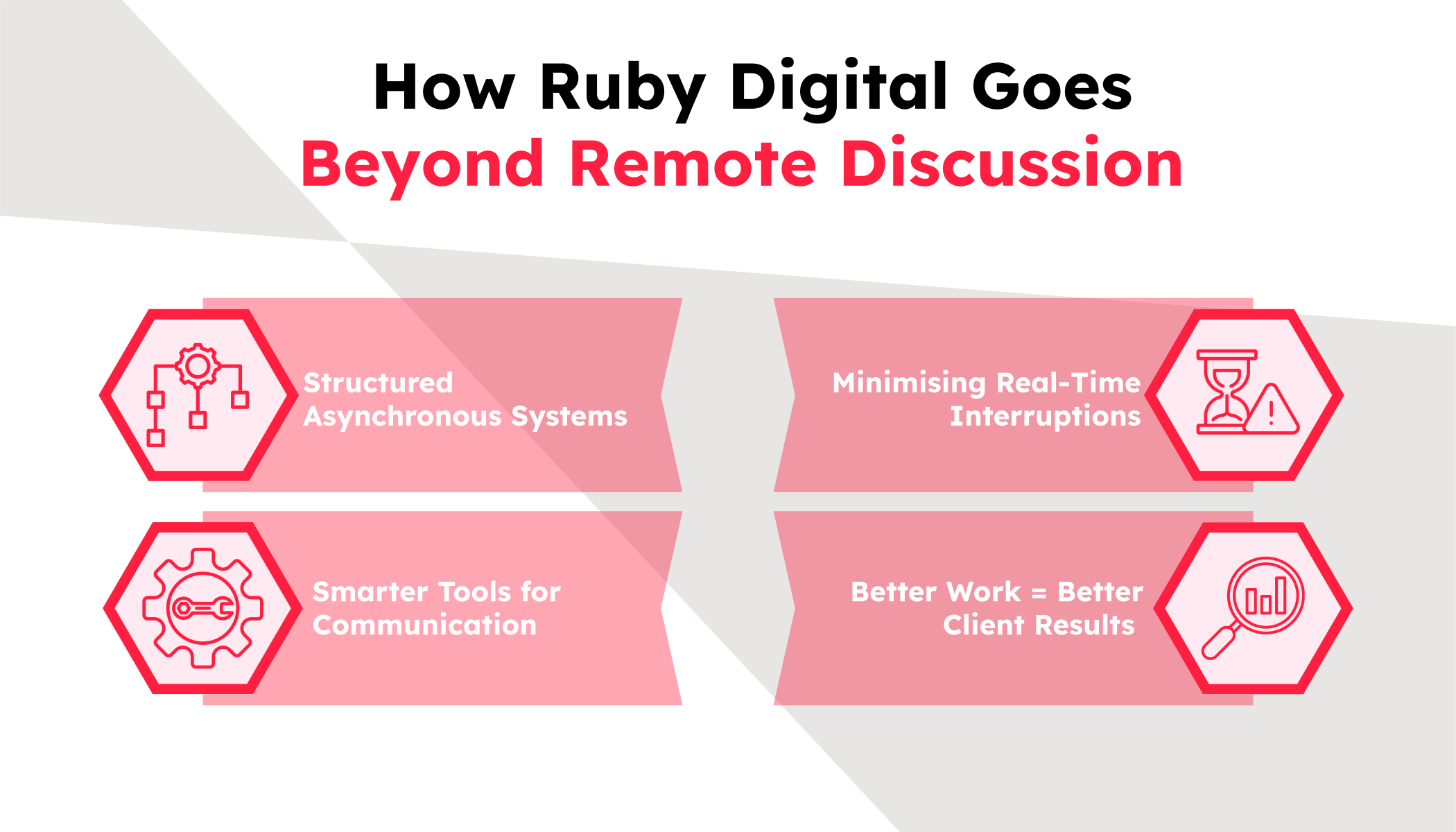
How Ruby Digital Goes Beyond Remote Discussion
At Ruby Digital, asynchronous work is not just a preference. It is a core operational strategy that enables consistent, high-quality delivery.
Our approach is built around creating space for deep work while maintaining clarity across teams.
Here’s how we apply asynchronous communication in practice:
Structured Asynchronous Systems
Project updates, briefs, and progress tracking are managed through shared platforms and documented workflows. This enables information to always be accessible, without relying on meetings.
Minimising Real-Time Interruptions
We intentionally limit synchronous communication to protect focus time. This allows our team to perform the deep analytical work required for SEO, content, and performance marketing.
Smarter Tools for Communication
We use shared documents, recorded updates, and structured workflows to support efficient asynchronous collaboration. These tools improve clarity while reducing the need for real-time discussions.
Better Work = Better Client Results
When people have uninterrupted time to think, analyse, and refine their work, the output improves.
This approach connects directly to how we view innovation in remote teams and how continuous growth drives performance. It also strengthens cross-team collaboration by making information visible and accessible across the business.
The outcome is consistent. Stronger strategies. Better execution. Measurable client results.
How Other Companies Can Implement Async Work
Adopting asynchronous communication does not require a complete overhaul. With the right systems, any organisation can transition effectively.
Use Tools That Support Async Work
Platforms such as Slack, Loom, ClickUp, Asana, and shared document systems enable efficient asynchronous online communication and transparent workflows.
Set Clear Communication Standards
Define when to use async versus real-time communication. Establish expected response times and set clear standards for how updates should be shared.
Encourage Documentation
Write things down. Record decisions. Keep information accessible.
Strong documentation reduces confusion and ensures that knowledge is not lost in private conversations.
Build a Culture of Trust
Async environments rely on accountability and autonomy. Teams must feel empowered to manage their time, communicate proactively, and deliver outcomes without constant oversight.
Trust is what makes asynchronous work sustainable.
The Future of Work Belongs to the Async Mindset
The shift toward asynchronous work is not temporary. It reflects a more in-depth change in how effective organisations operate. Asynchronous collaboration leads to more focused teams, higher‑quality output, healthier workloads, and better long‑term performance.
By reducing reliance on meetings and embracing structured async systems, businesses unlock both performance and flexibility.
Ruby Digital’s approach proves what is possible. When teams are given the space to think deeply and execute with clarity, results improve.
The future of work belongs to organisations that understand this.
Less noise. More focus. Better outcomes.