 Skip to content

Personalisation has become a defining force in modern marketing. Today’s consumers expect brands to understand their needs, anticipate intent, and deliver relevant experiences at every touchpoint. Generic targeting and one-size-fits-all messaging no longer cut through the noise.
This is where hyper-personalised ads take centre stage.
Powered by AI, machine learning, and real-time data, hyper personalisation marketing moves beyond surface-level targeting to create ad experiences that feel genuinely relevant to each individual. In 2026, brands that embrace this approach are seeing stronger engagement, higher conversion rates, and more efficient media spend.
What Is Hyper-Personalisation in Marketing?
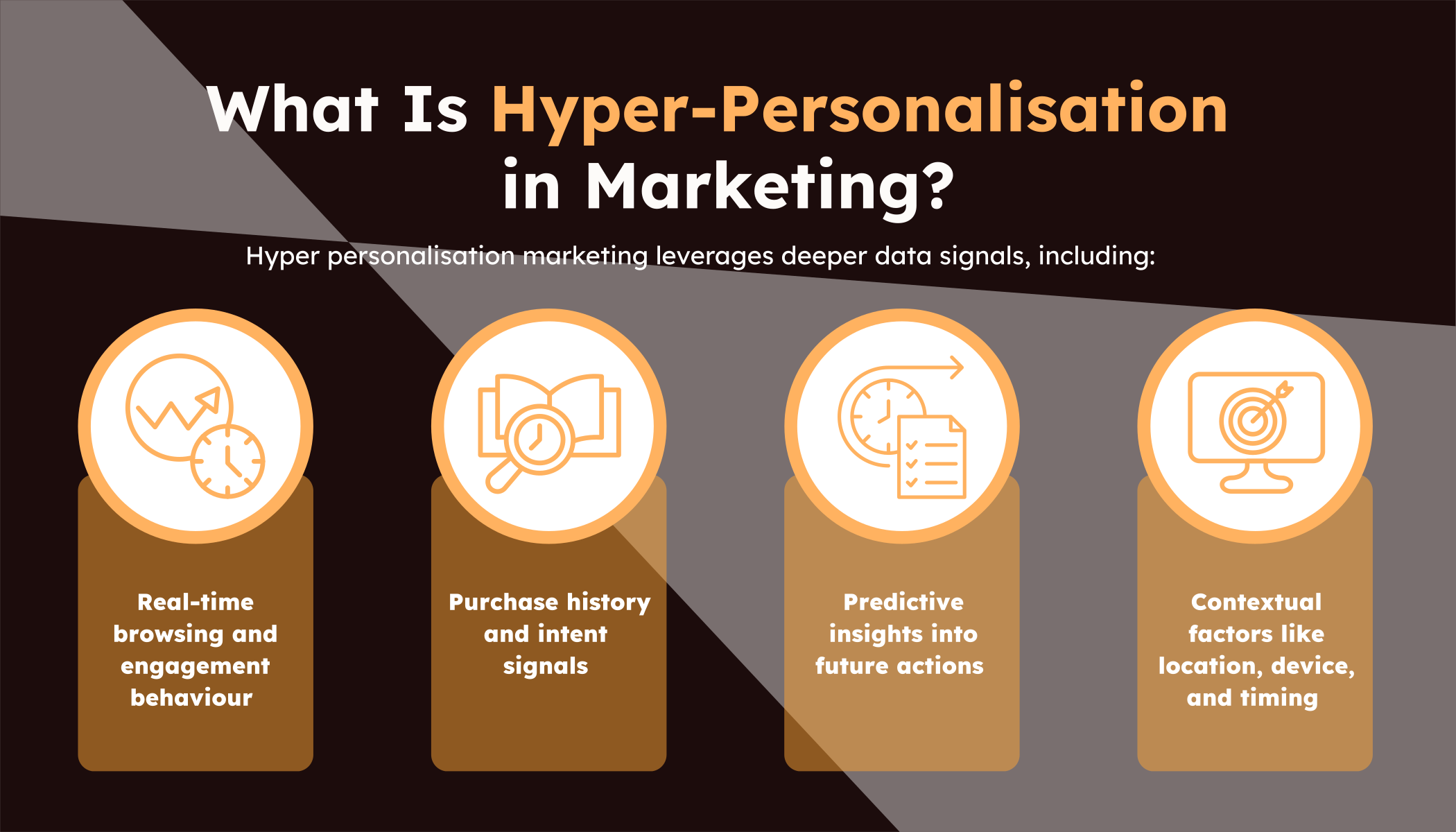
Hyper-personalisation is the practice of delivering highly customised marketing messages based on individual user behaviour, context, and predictive insights. Unlike basic personalised ads, such as inserting a first name or segmenting by age, hyper personalisation marketing leverages deeper data signals, including:
- Real-time browsing and engagement behaviour
- Purchase history and intent signals
- Predictive insights into future actions
- Contextual factors like location, device, and timing
For example, an e-commerce brand might serve dynamic ads featuring products a user viewed recently, combined with a time-sensitive incentive aligned with their buying patterns. A SaaS business could adjust ad messaging based on feature usage during a free trial, highlighting the exact benefits most likely to convert that user.
This level of relevance transforms advertising from interruption to assistance.
Why Hyper-Personalised Ads Work
At its core, hyper-personalisation works because relevance captures attention and builds trust. When ads align closely with user intent, they feel helpful rather than intrusive.
Key benefits include:
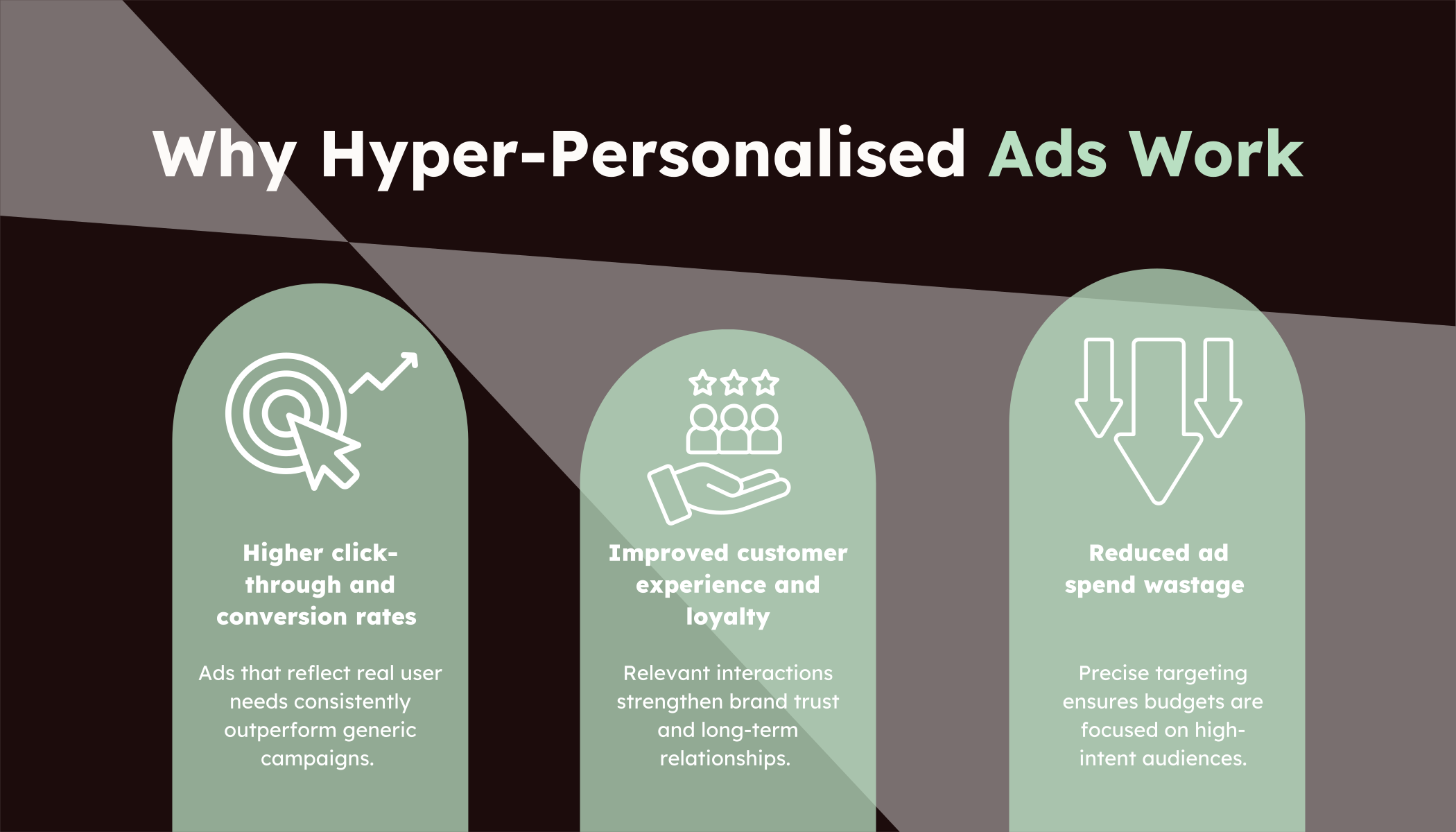
- Higher click-through and conversion rates
Ads that reflect real user needs consistently outperform generic campaigns. - Improved customer experience and loyalty
Relevant interactions strengthen brand trust and long-term relationships. - Reduced ad spend wastage
Precise targeting ensures budgets are focused on high-intent audiences.
AI plays a critical role by analysing behavioural patterns and engagement signals, allowing brands to deliver the right message at the right moment, often before the user actively searches.
Channels Where Hyper-Personalisation Works Best
Hyper-personalised ads perform strongly across multiple digital channels, especially when integrated into a unified strategy:
- Search Ads
Dynamic keyword insertion and intent-based messaging informed by past searches and interactions. - Social Ads
Behaviour-driven targeting, lookalike audiences, and creative optimised around engagement patterns. - Display & Programmatic Ads
Context-aware placements and dynamic creative that adapts in real time.
When combined with supporting channels like email and programmatic media, brands create a consistent experience across the customer journey.
Explore more about digital advertising strategies and social media marketing.
How to Implement Hyper-Personalised Ads
Ready to embrace hyper-personalisation? Here’s how:
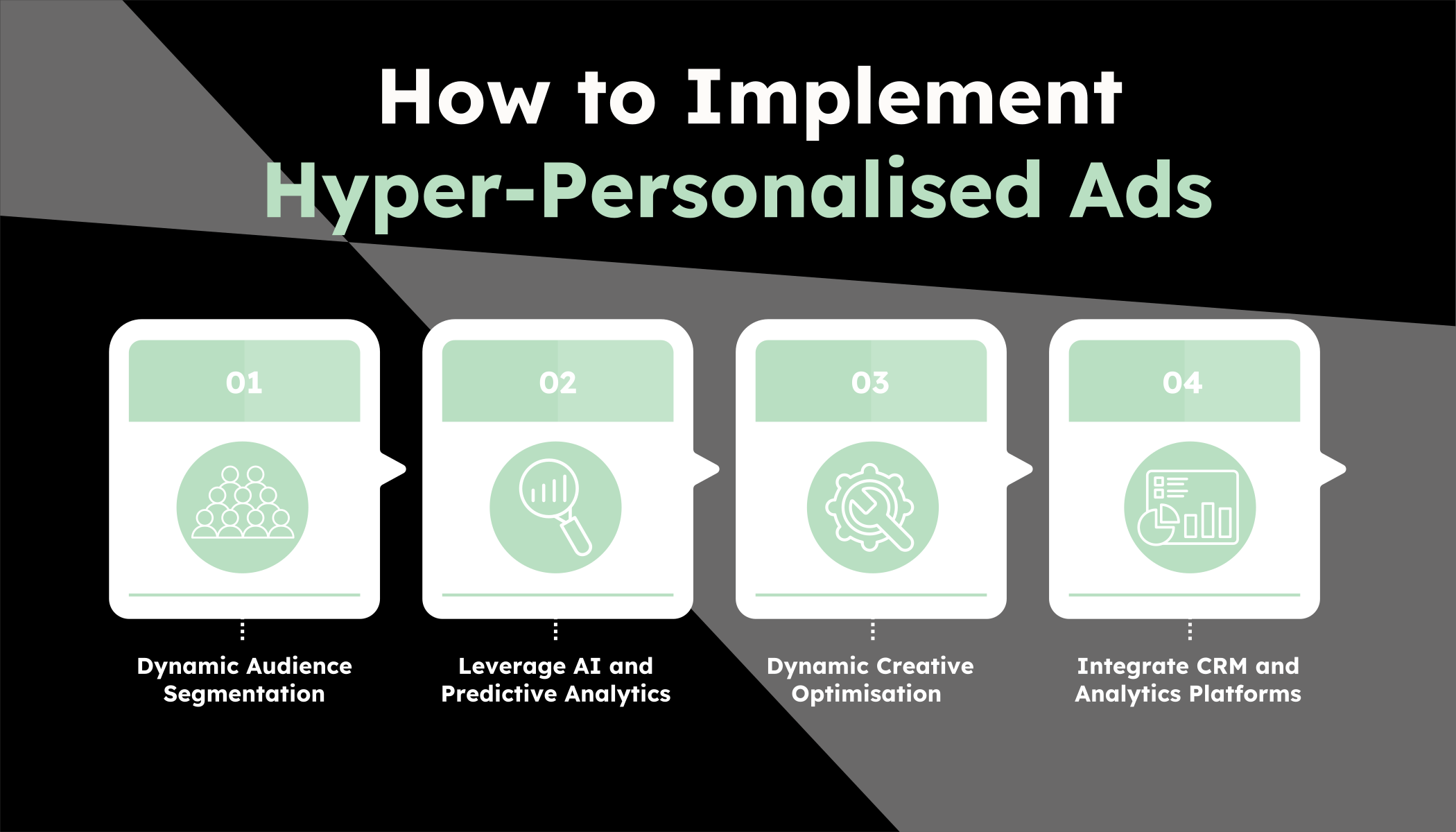
1. Dynamic Audience Segmentation
Build flexible segments using behavioural data, intent signals, and engagement history rather than static demographics.
2. Leverage AI and Predictive Analytics
Use machine learning to adjust messaging, creative, and timing based on predicted user behaviour.
3. Dynamic Creative Optimisation
Test and adapt visuals, copy, and offers in real time to maximise performance across audiences.
4. Integrate CRM and Analytics Platforms
Combine first-party data with ethical data practices to personalise responsibly and effectively.
Ruby Digital’s Pay-Per-Click and Google Ads services provide the technical foundation required to support this level of precision at scale.
Measuring the Impact of Hyper-Personalised Ads
Success doesn’t stop at launch. Continuous optimisation is essential. Key performance indicators include:
- Click-through rate (CTR)
- Conversion rate
- Engagement metrics
- Revenue per user
AI-powered reporting dashboards allow marketers to monitor performance in real time and refine campaigns based on evolving user behaviour. This helps hyper-personalised ads consistently deliver measurable ROI.
Our thoughts on on hyper-personalised ads
Hyper-personalisation is no longer optional; it’s become a competitive advantage. In 2026, brands that use AI and data to deliver truly relevant ad experiences are winning attention, trust, and conversions.
By investing in hyper-personalised ads, businesses can move beyond assumptions and speak directly to individual needs at scale.
Ready to take your advertising to the next level?
Contact Ruby Digital today to design and implement hyper-personalised campaigns that deliver results.