 Skip to content

Sustainability has shifted from a “nice‑to‑have” brand value to an expectation. Consumers are increasingly aware of climate impact, ethical business practices, and the environmental footprint of the brands they support. This awareness doesn’t stop at products or supply chains; it now extends to how brands advertise.
Marketing channels are under greater scrutiny than ever. Audiences want to know not just what a brand sells, but how it communicates, where it shows up, and whether its actions match its messaging. At the same time, platforms, regulators, and investors are pushing greater transparency and accountability across digital advertising ecosystems.
The result? Sustainable advertising is no longer a limitation. It is a strategic advantage.
This article explores how brands that embrace environmentally conscious marketing can reduce waste, strengthen trust, improve efficiency, and build long-term growth while still achieving measurable returns. The outdated belief that sustainability and Return On Investment (ROI) sit on opposite sides of the equation is rapidly disappearing.
When approached strategically, sustainability and performance reinforce one another.
Can You Be Sustainable & Performance-Driven?
Yes. Sustainable marketing campaigns can absolutely drive strong ROI when sustainability is integrated into strategy, media buying, creative production, and messaging from the start.
Effective green advertising does not mean sacrificing growth. It means reducing inefficiency.
Rather than relying on broad, wasteful reach or excessive production, sustainable marketing campaigns prioritise:
- Smarter targeting
- Efficient media distribution
- Intentional creative production
- Authentic brand messaging
- Reduced resource waste
This often improves performance because modern marketing success increasingly depends on relevance, trust, and efficiency, not just scale.
In a landscape shaped by rising consumer expectations and digital complexity, sustainable campaigns often outperform because they are built to be more focused, credible, and resource-efficient.
What Eco-Friendly Advertising Really Means Today
To understand sustainable marketing, it’s helpful to clearly answer a common question: What is sustainable marketing?
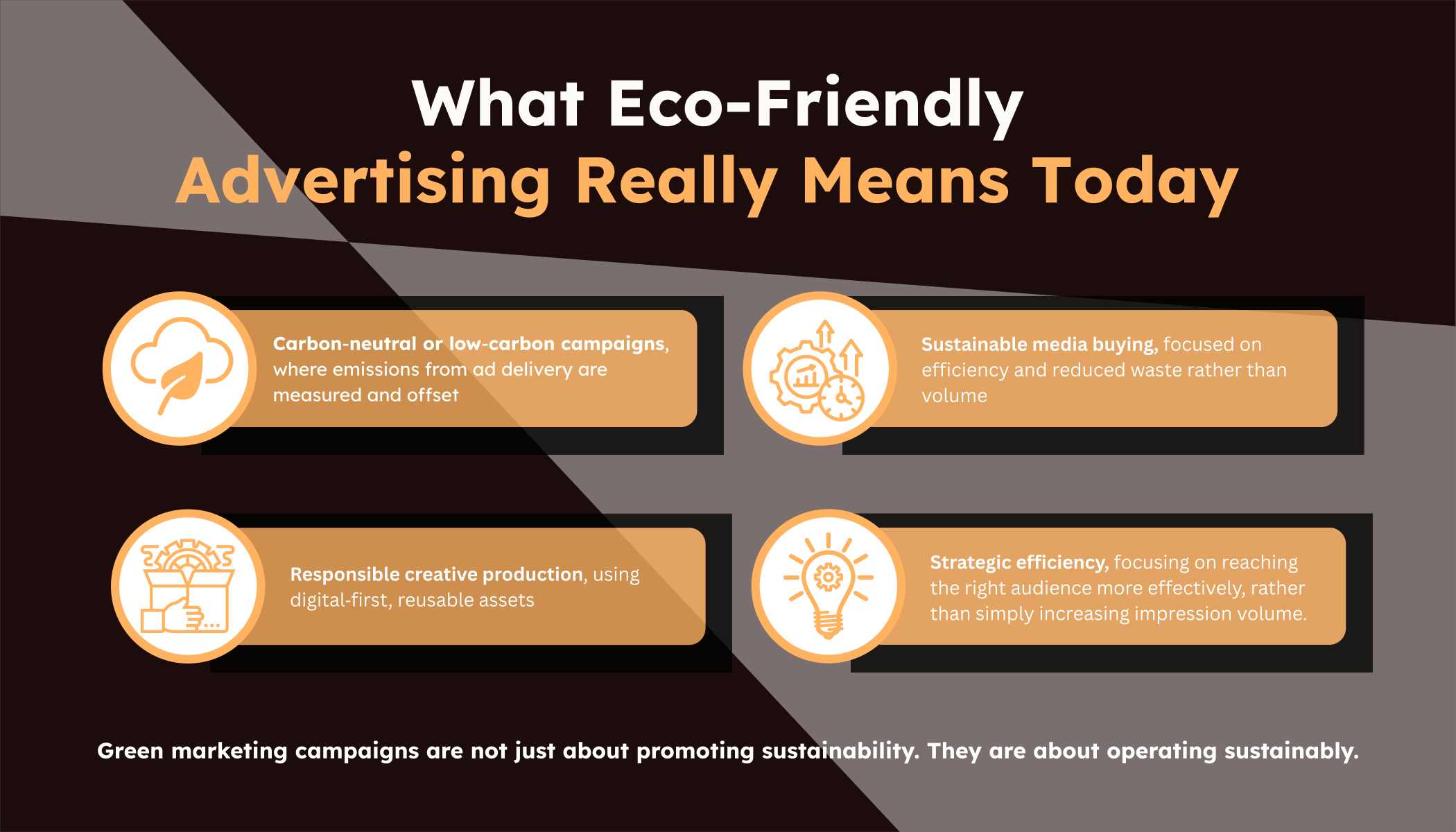
At its core, sustainable advertising refers to campaigns designed to minimise environmental impact across planning, execution, and messaging, without sacrificing effectiveness. This can include:
- Carbon‑neutral or low‑carbon campaigns, where emissions from ad delivery are measured and offset
- Sustainable media buying, focused on efficiency and reduced waste rather than volume
- Responsible creative production, using digital‑first, reusable assets
- Strategic efficiency, focusing on reaching the right audience more effectively, rather than simply increasing impression volume.
In other words, green marketing campaigns are not just about promoting sustainability. They are about operating sustainably.
Why Sustainability Now Impacts Advertising Performance
Consumer behaviour has changed dramatically, and sustainability plays an increasingly important role in purchasing decisions. Eco-conscious consumers actively seek brands that align with their values, and they reward those brands with loyalty, advocacy, and trust.
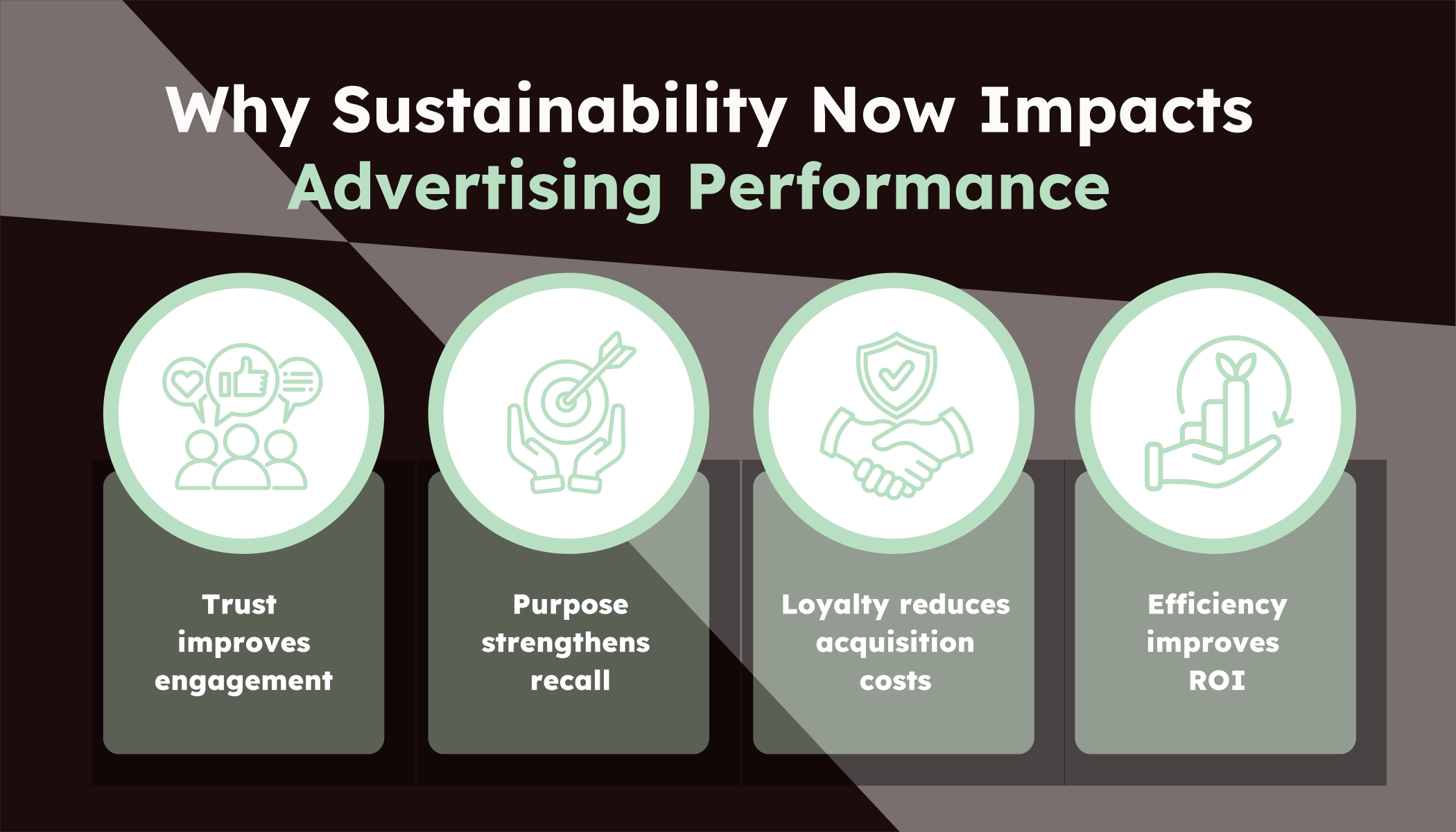
From a performance perspective, this matters because:
- Trust improves engagement: Audiences engage more deeply with brands they see as responsible and transparent.
- Purpose strengthens recall: Campaigns rooted in real values are more memorable than generic promotional messages.
- Loyalty reduces acquisition costs: Brands with stronger emotional trust often benefit from repeat business, advocacy, and reduced churn.
- Efficiency improves ROI: Sustainability often drives smarter resource use, naturally reducing waste and improving performance.
There’s also increasing pressure from platforms and regulatory bodies to ensure advertising is responsible and measurable, pushing brands toward better targeting, clearer reporting, and reduced waste. All of this reinforces one core truth: sustainability and performance move together.
Environmentally Conscious Advertising Practices That Deliver ROI
Carbon‑neutral & low-impact campaigns
Digital advertising carries an environmental footprint, from data centre energy use to ad-serving infrastructure.
Forward-thinking brands are increasingly:
- Investing in carbon offset programmes
- Partnering with lower-emission vendors
- Improving media efficiency to reduce wasted impressions
- Optimising campaign structures for reduced redundancy
This approach often strengthens ROI because fewer wasted impressions mean:
- Lower spend
- Higher targeting precision
- Improved relevance
- Better conversion efficiency
Precision-led channels such as Pay-Per-Click advertising and paid search are particularly effective here because they naturally support efficiency-focused optimisation.
Sustainable Media Choices
Sustainable advertising doesn’t mean advertising less; it means advertising smarter.
This includes:
- Smarter targeting that focuses on high‑intent audiences rather than broad reach
- Prioritising quality placements over sheer impression volume
- Using programmatic optimisation to minimise energy‑intensive ad delivery
For example, well‑structured Google Ads campaigns that prioritise relevance and intent routinely outperform bloated, high‑volume campaigns in both Cost Per Acquisition (CPA) and Return on Ad Spend (ROAS), all while using fewer resources.
From an efficiency standpoint, fewer, better‑targeted impressions almost always lead to lower CPAs and higher ROI, making sustainability a performance advantage rather than a trade‑off.
Sustainable Creative & Production Choices
Creative decisions have a significant impact on environmental footprint and campaign performance.
Sustainable creative strategies include:
- Digital first production, eliminating physical waste and transport emissions
- Reusable and modular assets, which can be adapted across platforms and campaigns
- Story‑driven messaging that focuses on meaningful value rather than disposable promotions
Purpose‑driven storytelling tends to resonate more deeply than generic advertising, driving higher engagement and emotional connection. This reduces creative fatigue and extends the lifespan of assets, both economically and environmentally.
However, authenticity is critical. Greenwashing damages trust quickly. Sustainable messaging must reflect real business action.
Messaging That Resonates with Eco-Conscious Consumers
Modern audiences are increasingly sceptical of vague sustainability claims.
Strong, environmentally conscious marketing focuses on:
- Transparency: Be specific about actions and measurable outcomes.
- Accountability: Show evidence, not empty promises.
- Empowerment: Position consumers as participants in positive change.
- Long-Term Thinking: Highlight sustained impact over temporary campaigns.
The most effective green marketing campaigns avoid guilt-based messaging. Instead, they inspire confidence, partnership, and credibility.
This approach strengthens brand trust, particularly across social and paid media channels where authenticity is highly visible.
Measuring ROI in Sustainable Advertising Campaigns
A common concern is whether sustainable marketing campaigns can be measured as effectively as traditional performance campaigns. The answer is yes, but ROI should be evaluated more holistically.
Beyond immediate conversions, sustainable campaigns should be measured across:
- Engagement quality (time spent, interaction rates)
- Brand lift and sentiment
- Retention and loyalty metrics
- Long‑term customer value
Because sustainable marketing campaigns often build trust and loyalty, they can deliver stronger long-term returns even when short-term metrics appear similar.
Sustainability does not reduce accountability. It expands it.
Why Sustainable Advertising Is a Competitive Advantage
Eco-friendly advertising isn’t just a current trend; it’s a competitive differentiator.
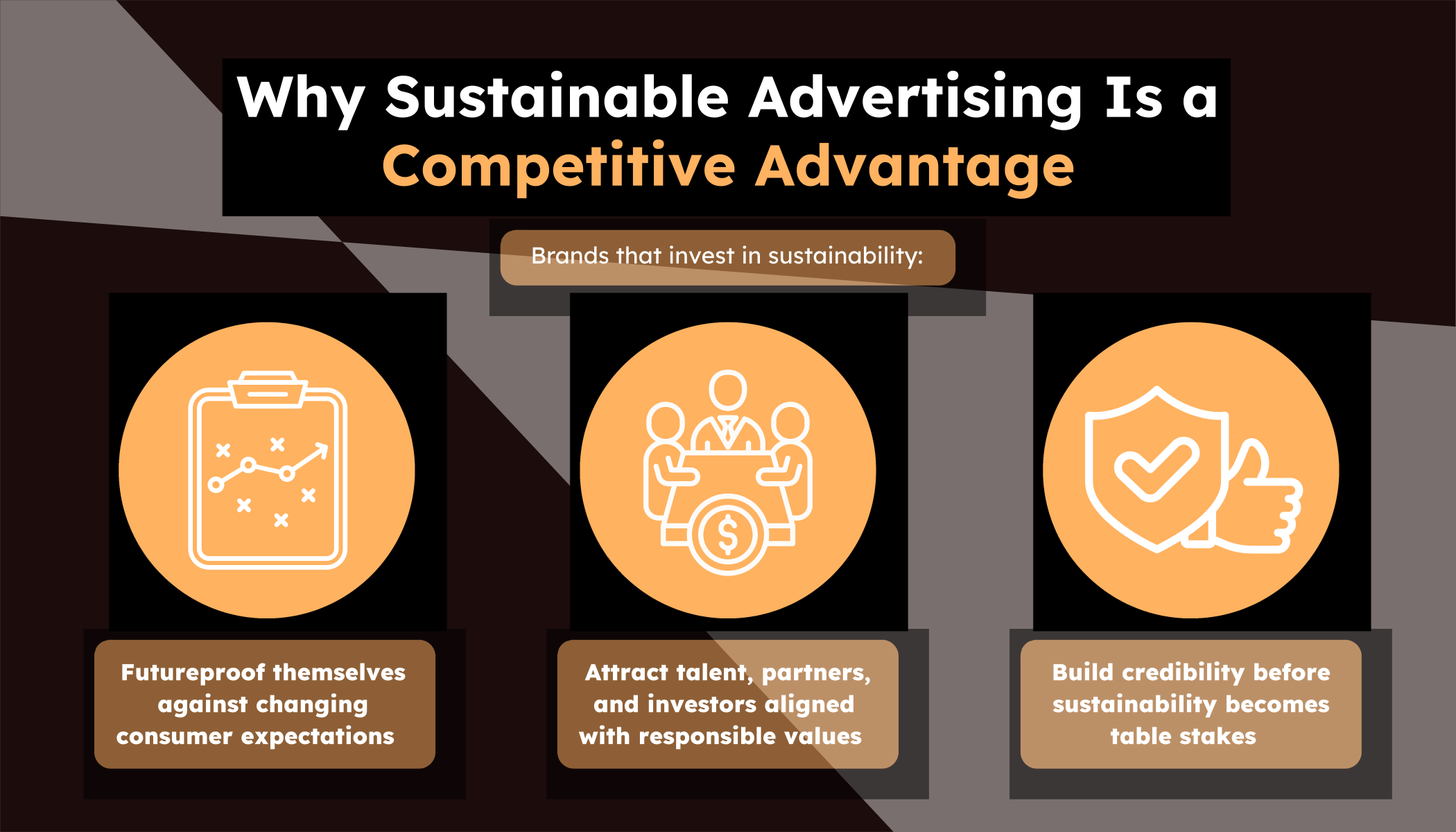
Brands that invest in sustainability:
- Futureproof themselves against changing consumer expectations
- Attract talent, partners, and investors aligned with responsible values
- Build credibility before sustainability becomes table stakes
As more brands adopt sustainable marketing practices, those that act first gain disproportionate trust and loyalty. In many industries, sustainability is fast becoming the baseline, and leaders are already pulling ahead.
Sustainability & ROI Don’t Compete; They Reinforce Each Other
The belief that sustainability limits marketing performance is outdated.
Sustainable advertising is not about sacrificing ROI. It is about improving how marketing works by reducing waste, increasing relevance, and building trust.
When sustainability shapes media buying, production, and messaging from the beginning, brands gain:
- Greater efficiency
- Better targeting
- Stronger loyalty
- Improved trust
- Long-term growth
The future of marketing belongs to brands that understand this balance.
Sustainable marketing campaigns are not a compromise. They are a smarter, stronger, and more resilient way to grow.
The brands that lead tomorrow will be the ones building performance today with both profit and impact in mind.