 Skip to content

Our current digital workplace depends on rapid problem-solving, creativity, and constant adaptation. To succeed, businesses need teams that think differently.
Neurodiversity in the workplace recognises that people process, interpret, and communicate information in diverse ways. This includes individuals with ADHD, autism, dyslexia, dyspraxia, and other cognitive differences. These perspectives are not limitations – they are a source of strength.
The opportunity is clear. When organisations intentionally design a neurodiverse workplace, they unlock stronger performance, deeper engagement, and better outcomes.
The understanding is simple: Not everyone thinks, learns, or works the same way, and that’s a strength. When workplaces are intentionally designed to support neurodiversity, performance improves, engagement deepens, and teams become stronger.
This blog explores research-backed principles for building neuro-inclusive workplaces and how companies like Ruby Digital are putting these principles into practice.
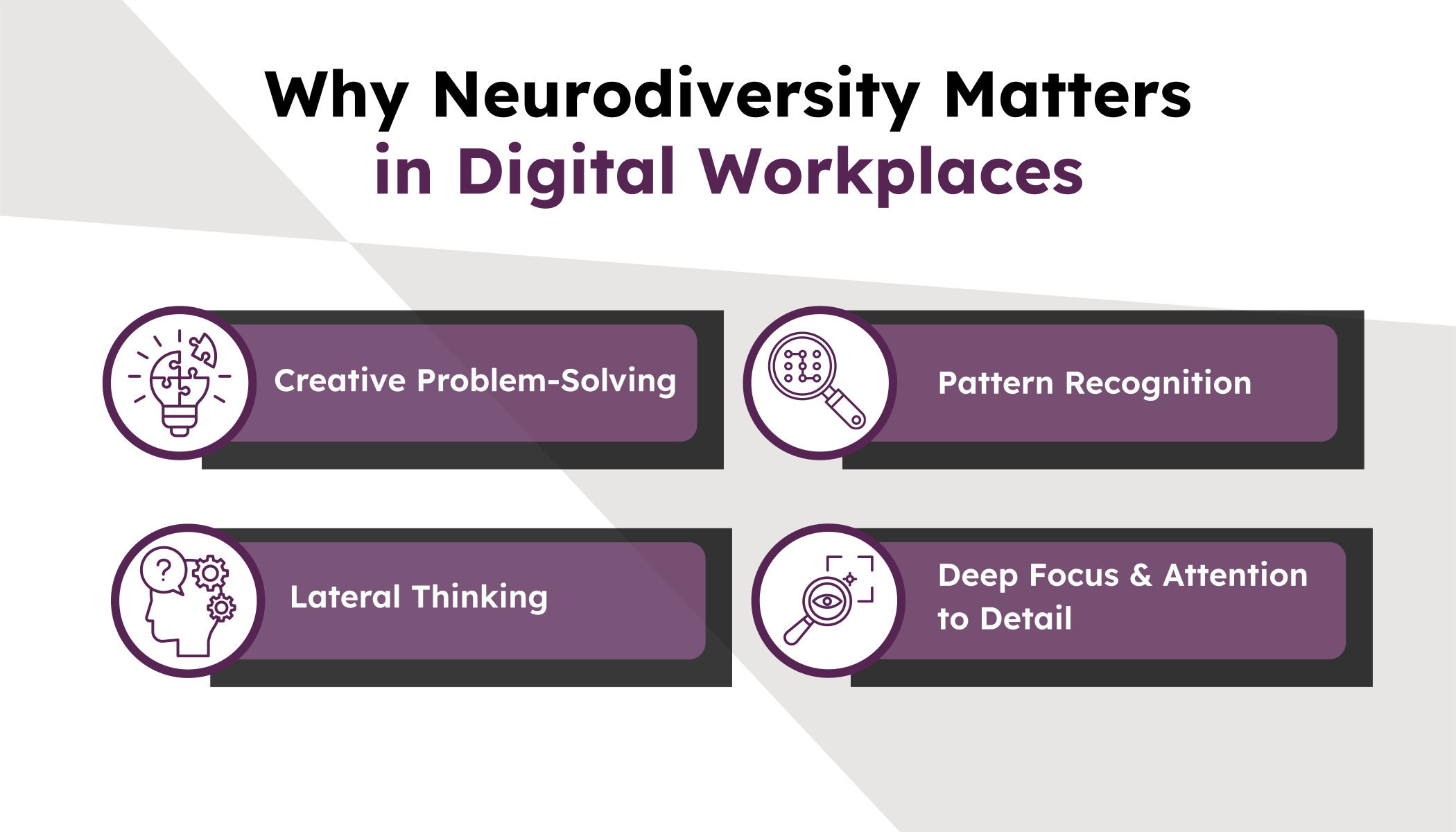
Why Neurodiversity Matters in Digital Workplaces
Digital environments reward capabilities such as:
- Creative problem-solving
- Pattern recognition
- Lateral thinking
- Deep focus and attention to detail
These strengths are commonly found in neurodivergent individuals. Teams that embrace neurodiversity in the workplace often outperform more uniform teams in innovation and structured problem-solving.
At the same time, remote and flexible work models have made it easier to support different thinking styles. Businesses are no longer limited to rigid office environments. They can design systems that work for a wider range of people.
In a competitive digital landscape, building a neurodiverse workplace is not the only thing to do – it is a strategic advantage.
The Reality: Many Workplaces Still Aren’t Designed for Neurodiversity
Despite growing awareness, many organisations still operate in ways that unintentionally exclude neurodivergent talent.
Common challenges include:
- Over-reliance on meetings and real-time responses
- Constant context switching
- High-stimulation environments
- Unclear communication and expectations
- Preference for extroverted communication styles
Even digital companies can replicate these patterns online. Without intentional design, remote work can still create pressure, confusion, and cognitive overload.
To build an effective neurodiversity workplace, these systems must change.
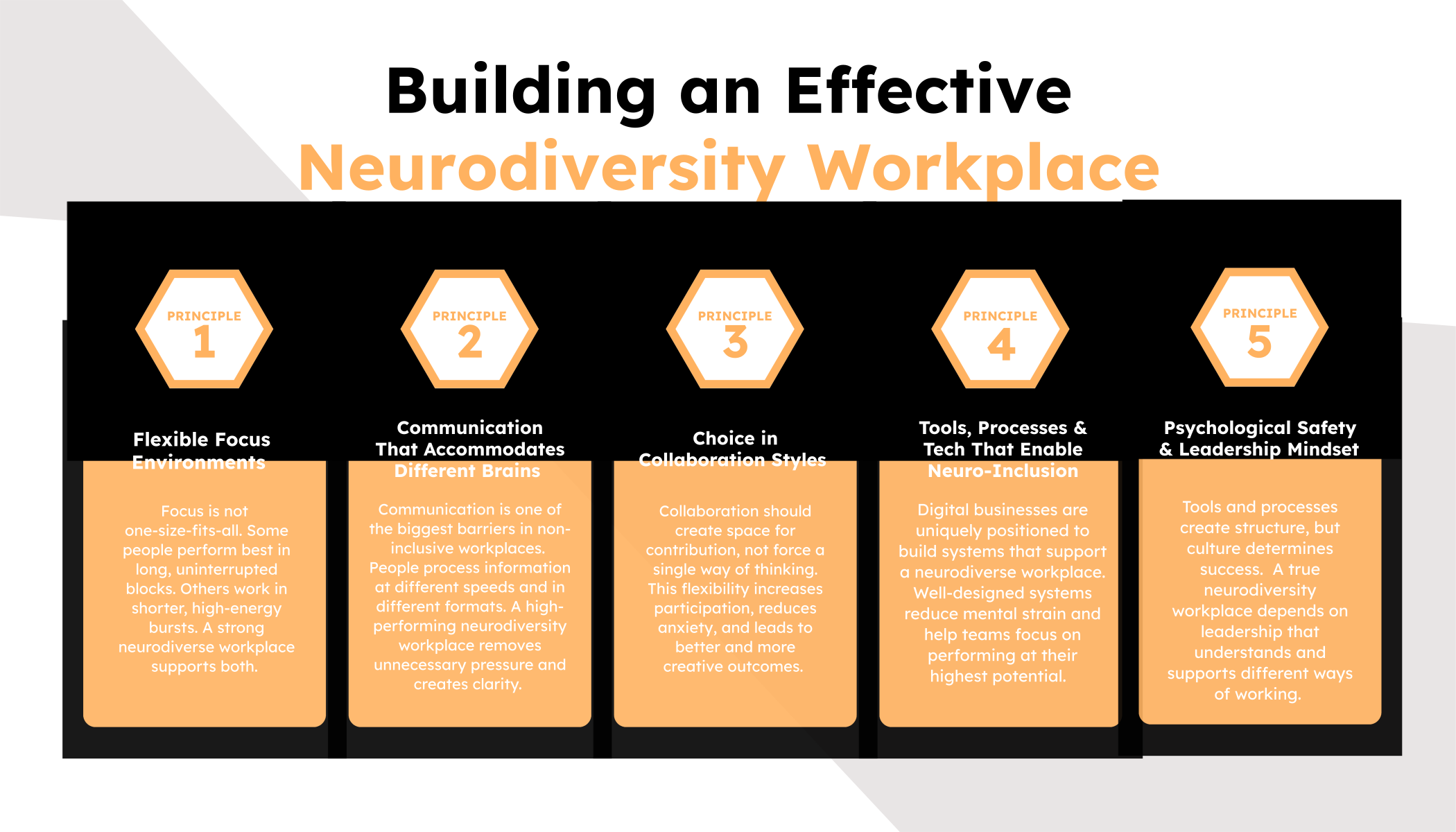
Principle #1: Flexible Focus Environments
Focus is not one-size-fits-all. Some people perform best in long, uninterrupted blocks. Others work in shorter, high-energy bursts.
A strong neurodiverse workplace supports both.
Practical approaches include:
- Dedicated quiet or low-stimulation work periods
- Meeting-free time blocks
- Asynchronous work options
- Control over notifications and interruptions
- Tools that reduce distractions
Studies show that flexible focus environments improve productivity for all employees, not only neurodivergent individuals.
Principle #2: Communication That Accommodates Different Brains
Communication is one of the biggest barriers in non-inclusive workplaces.
People process information at different speeds and in different formats. A high-performing neurodiversity workplace removes unnecessary pressure and creates clarity.
Effective communication includes:
- Clear written documentation
- Structured processes and expectations
- Visual aids where useful
- Predictable workflows
- Asynchronous communication for thoughtful responses
Reducing urgency and ambiguity allows individuals to contribute with greater confidence and accuracy.
Evidence shows neurodivergent individuals thrive when communication is predictable, low-pressure, and clearly articulated.
Principle #3: Choice in Collaboration Styles
Collaboration should create space for contribution, not force a single way of thinking.
Inclusive teams provide multiple ways to engage:
- Live discussions for real-time collaboration
- Written idea boards for structured input
- Visual mapping for complex thinking
- Asynchronous brainstorming for deeper reflection
- Pre-shared agendas to improve preparation
This flexibility increases participation, reduces anxiety, and leads to better and more creative outcomes.
Principle #4: Tools, Processes & Tech That Enable Neuro-Inclusion
Digital businesses are uniquely positioned to build systems that support a neurodiverse workplace.
The right tools can simplify complexity and improve performance. Examples include:
- Task management platforms with clear workflows
- Visual boards that show progress and priorities
- Templates and structured briefs
- AI-assisted writing and editing tools
- Voice notes and alternative input methods
Well-designed systems reduce mental strain and help teams focus on performing at their highest potential.
Principle #5: Psychological Safety and Leadership Mindset
Tools and processes create structure, but culture determines success.
A true neurodiversity workplace depends on leadership that understands and supports different ways of working.
This includes:
- Encouraging open conversations about work preferences
- Respecting different communication styles
- Avoiding assumptions about pace or productivity
- Replacing judgment with curiosity
- Building trust through consistency
Psychological safety enables people to perform at their best without the need to mask or conform, increasing creativity, improving problem‑solving, and enhancing team performance.
Read more about Supporting Employee Well-being: Ruby Digital’s Mental Health Approach.
How Digital Companies Benefit from Building a Neurodiverse Workplace
Designing for neurodiversity in the workplace delivers measurable benefits:
- Stronger innovation and creative thinking
- Improved problem-solving
- Higher employee engagement
- Reduced turnover
- Better product and user experience insights
- More consistent, high-quality output
Companies that invest in neuro-inclusion often see measurable improvements in productivity, work quality, and team stability.
How Ruby Digital Embodies Neuro-Inclusive Design
Supporting the brains that power better outcomes, for our people and our clients.
Ruby Digital doesn’t just talk about neuro-inclusion; we actively design for it. Our workplace is intentionally structured around the belief that different thinking styles lead to stronger results.
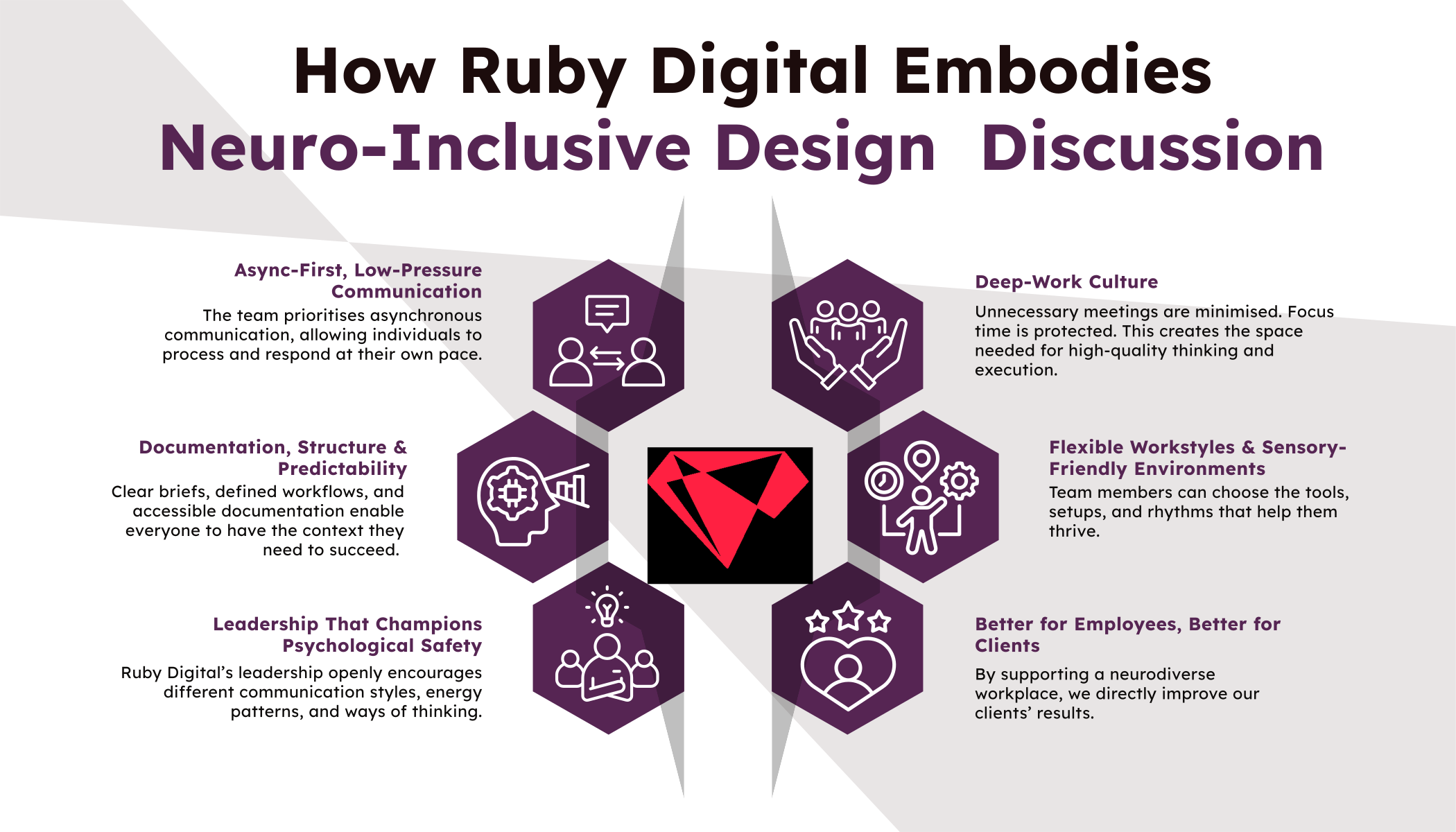
1. Async-First, Low-Pressure Communication
The team prioritises asynchronous communication, allowing individuals to process and respond at their own pace. This reduces pressure and improves clarity.
2. Deep-Work Culture
Unnecessary meetings are minimised. Focus time is protected. This creates the space needed for high-quality thinking and execution.
3. Documentation, Structure & Predictability
Clear briefs, defined workflows, and accessible documentation enable everyone to have the context they need to succeed.
4. Flexible Workstyles & Sensory-Friendly Environments
Team members can choose the tools, setups, and rhythms that help them thrive. Whether someone prefers checklists, visual boards, or written directives, our processes allow for personalisation.
5. Leadership That Champions Psychological Safety
Ruby Digital’s leadership openly encourages different communication styles, energy patterns, and ways of thinking. There’s no pressure to mask, conform, or perform neurotypically.
6. Better for Employees, Better for Clients
Supporting a neurodiverse workplace directly improves client results through:
- More strategic thinking
- Stronger creative output
- Greater attention to detail
- More consistent delivery
The link is clear. When teams work better, performance improves.
Read more about how we believe in putting our people first.
A Workplace Where Every Brain Can Thrive
Neurodiversity is not a constraint. It is a competitive advantage.
Businesses that design for a neurodiverse workplace build stronger teams, produce better work, and adapt faster to change.
The goal is not to standardise how people work. It is to create an environment where different strengths can thrive.
When every mind is supported, every outcome improves.